Facebook Feed

Right Reason Technologies
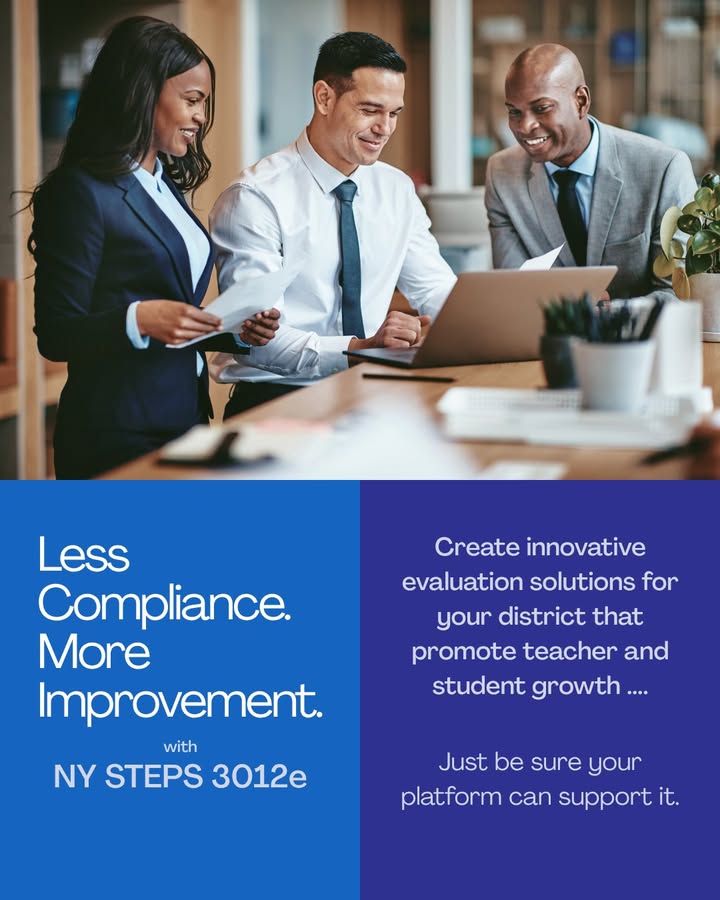
Under the old evaluation law, districts had to pick from a short, state-approved list of rubrics, with no room to adapt one to fit their own instructional approach. Education Law 3012-e changes that — districts can now choose their rubric, negotiate their own weighting, and pick from six measure options (or build their own). High performers get multi-year cycles instead of annual repetition. This isn't just a new way to comply. It's a chance to actually improve how you evaluate and support educators — if your platform can keep up. Whatever your district decides is right for it, RightPath makes
Right Reason Technologies
It's worth a look. STEPS provides MUCH more flexibility for evaluation methods, including getting away from standardized tests if you wish. Start now to build your new plan with the right partner!
Right Reason Technologies
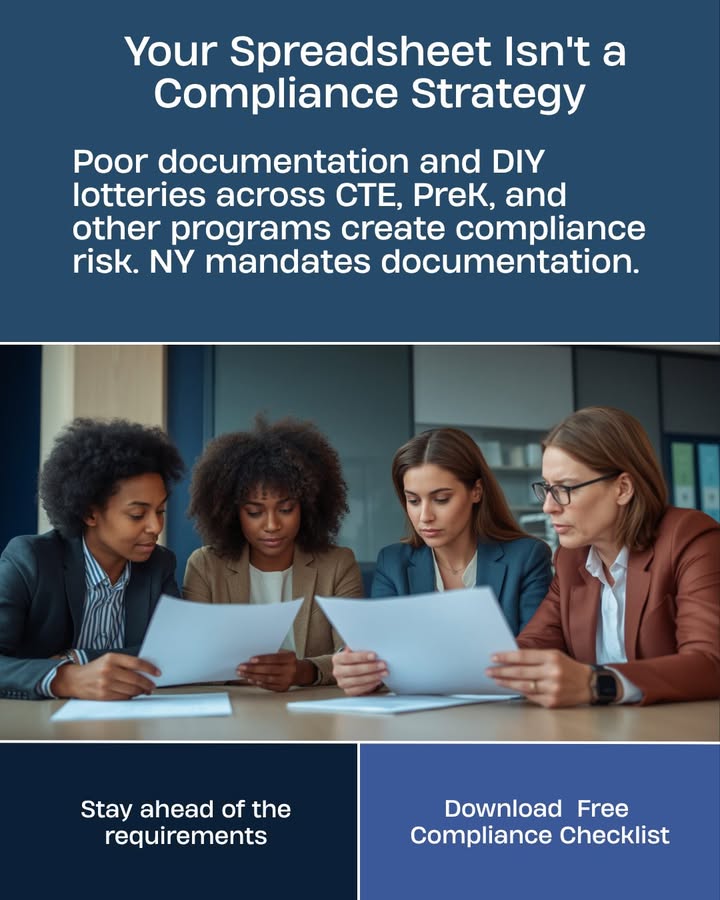
Coordination. Compliance. Fairness. Those three words cover everything that's supposed to happen when a district runs CTE pathways, UPK lotteries, or choice programs. In practice, most districts are running those programs through disconnected spreadsheets, separate coordinators, and institutional memory. The breakdown is structural. Flawed program application collection. Isolated coordinators. No shared visibility. No lottery transparency. No audit trail — and no way to defend a placement when a family asks why their child wasn't selected. In New York, that last part isn't just uncomfortable. CTE selection feeds NYSED civil-rights monitoring. UPK lotteries are legally required to be random and unadjusted
Right Reason Technologies
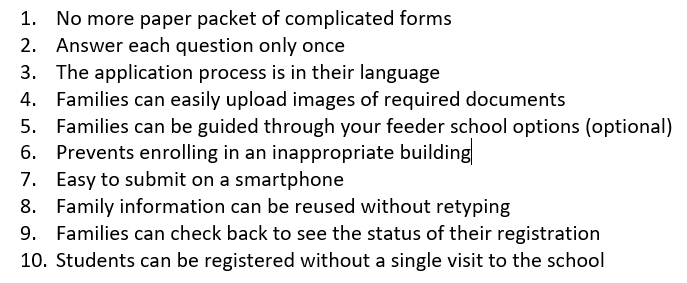
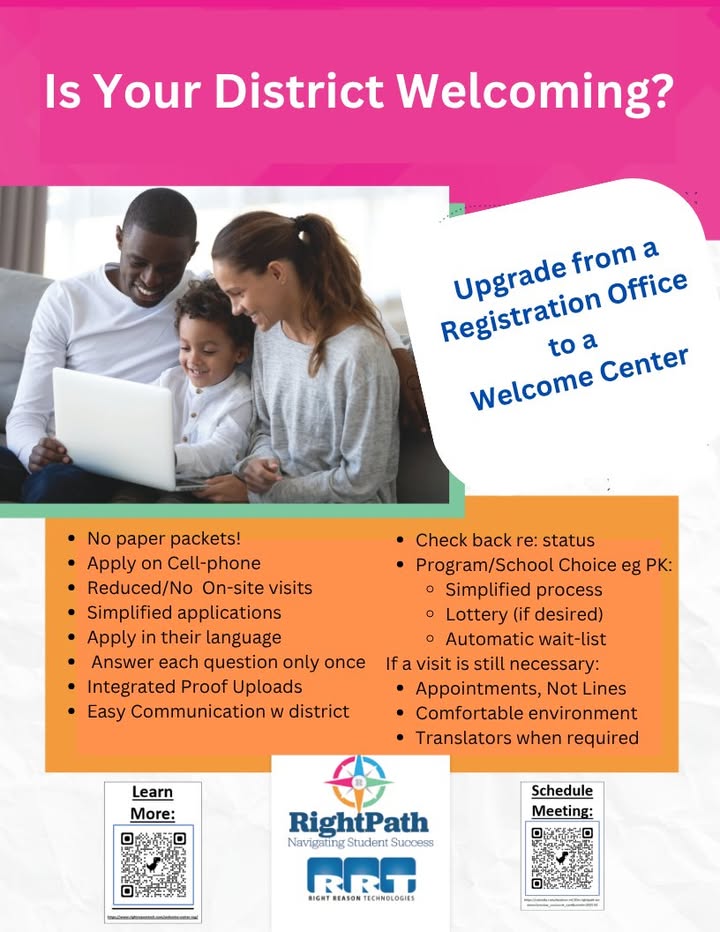
Is Your District Welcoming to Families? RightPath™ Welcome Center is: • Multi-lingual • Optimized for cell phones • No repetitive questions • Reduced need for on-site visits • No document downloads • Easy communication The first few contacts a family has with your district is critical because it sets the tone. Make it clear how much you care for their children and value their education. RightPath™ Welcome Center is here to transform registration. Our platform offers a user-friendly interface that simplifies applications, eliminates repetitive questions, and optimizes every step for mobile phone access. Support their enrollment in their home language.
Right Reason Technologies
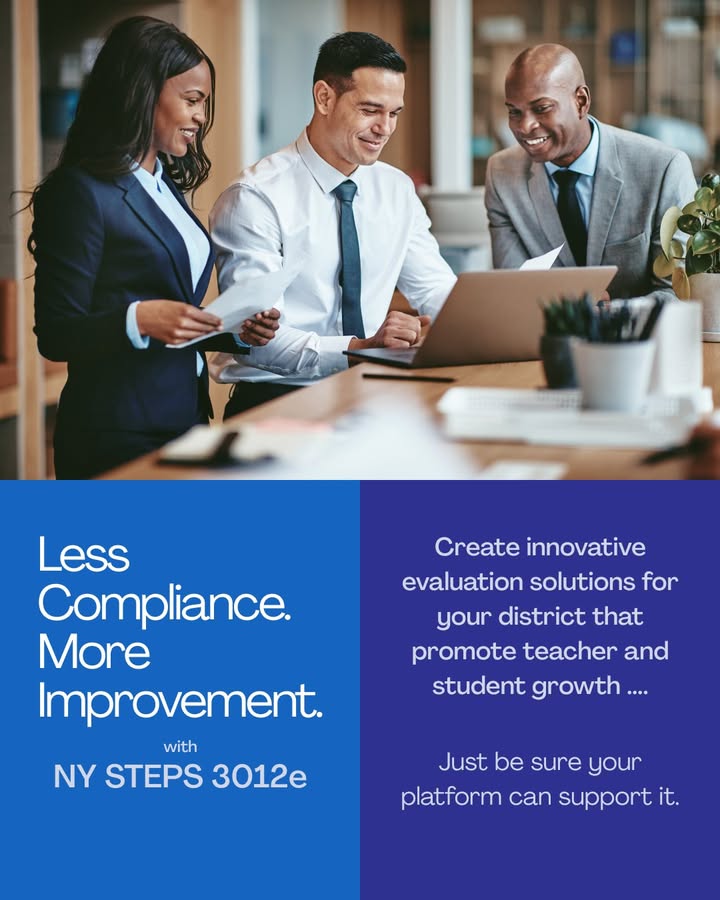
Under the old evaluation law, districts had to pick from a short, state-approved list of rubrics, with no room to adapt one to fit their own instructional approach. Education Law 3012-e changes that — districts can now choose their rubric, negotiate their own weighting, and pick from six measure options (or build their own). High performers get multi-year cycles instead of annual repetition. This isn't just a new way to comply. It's a chance to actually improve how you evaluate and support educators — if your platform can keep up. Whatever your district decides is right for it, RightPath makes
Right Reason Technologies
It's worth a look. STEPS provides MUCH more flexibility for evaluation methods, including getting away from standardized tests if you wish. Start now to build your new plan with the right partner!
Right Reason Technologies
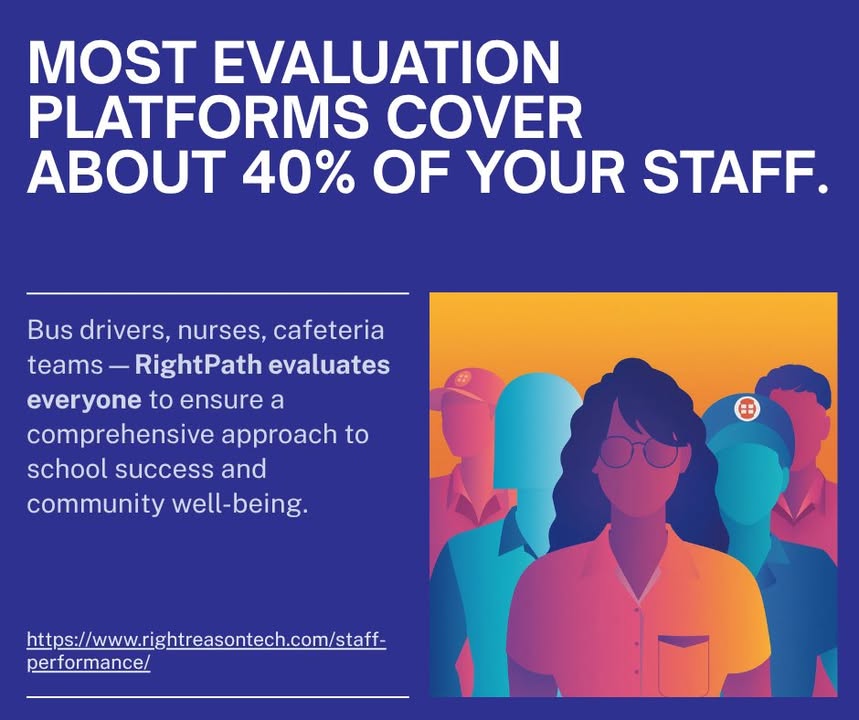
Bus Drivers, Nurses, Security, Para-professionals, Maintenance, and Cafeteria Team, etc. Most evaluation platforms cover about 40% of your district's staff. Bus drivers. Nurses. Non-Certified Teaching Assistants, Cafeteria teams. Custodians. Security staff. Clerical. Most evaluation platforms treat them as an afterthought — or point to a separate tool that loosely connects to the main system. Two platforms. Two contracts. Two data silos. RightPath™ evaluates every employee in your district on one platform. Certified teachers and principals. Non-educator staff across every operational department. Role-appropriate rubrics. One system. One source of truth. For HR directors and operations leaders, that's not a nice-to-have. It's
Right Reason Technologies
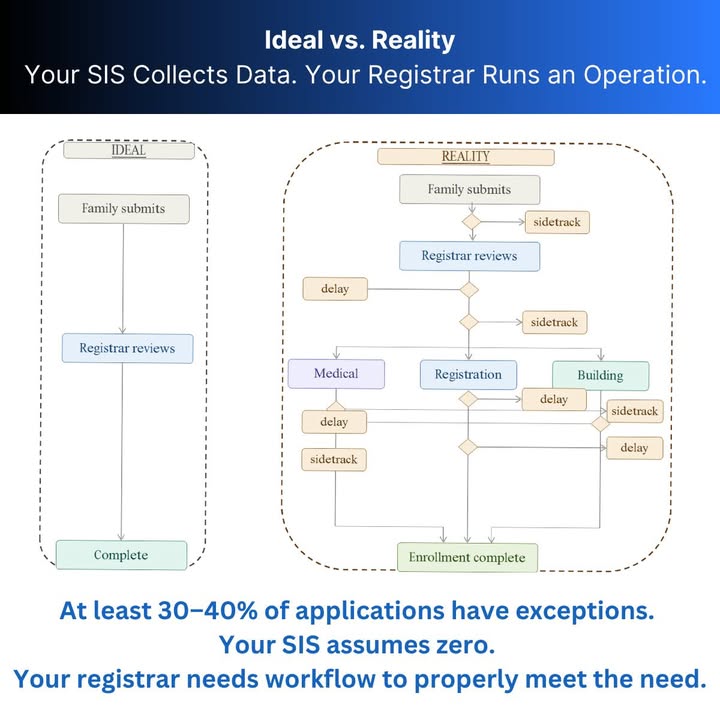
Your SIS Collects Data. Your Registrar Runs an Operation. These are two completely different jobs. Most districts treat them as one. Your SIS was built to store the final, verified student record. It assumes clean data arrives, exceptions are already resolved, and documents are collected. Ask your registrar if that’s how it actually works. The reality: → At least 30–40% of applications have something flagged → Medical clearances are tracked through email and phone calls, not your SIS → Documents arrive through multiple channels and end up in folders, inboxes, and personal devices — a FERPA/HIPAA problem waiting to happen
Right Reason Technologies
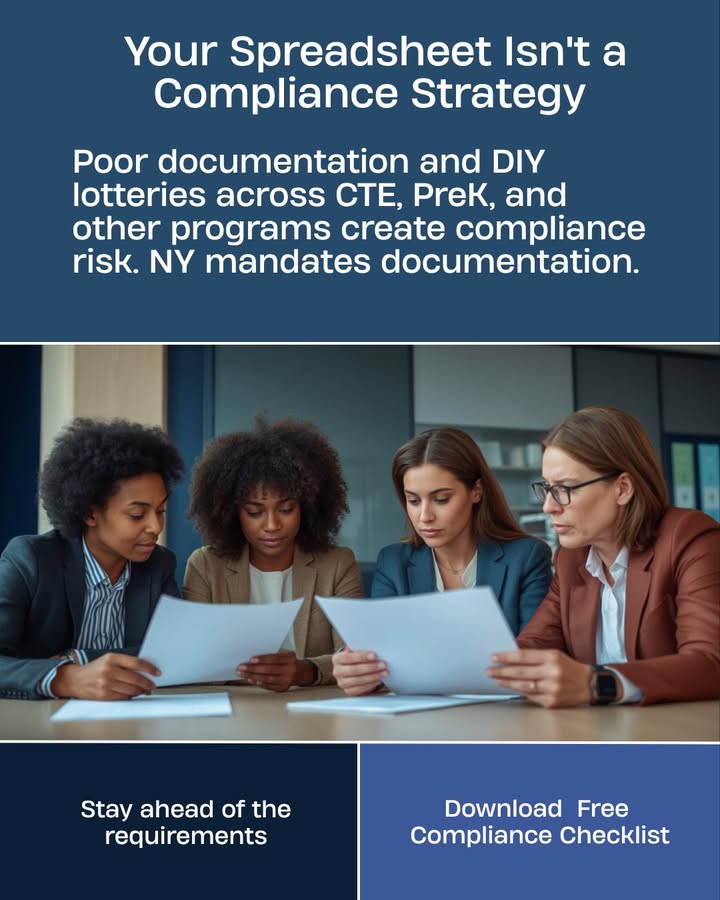
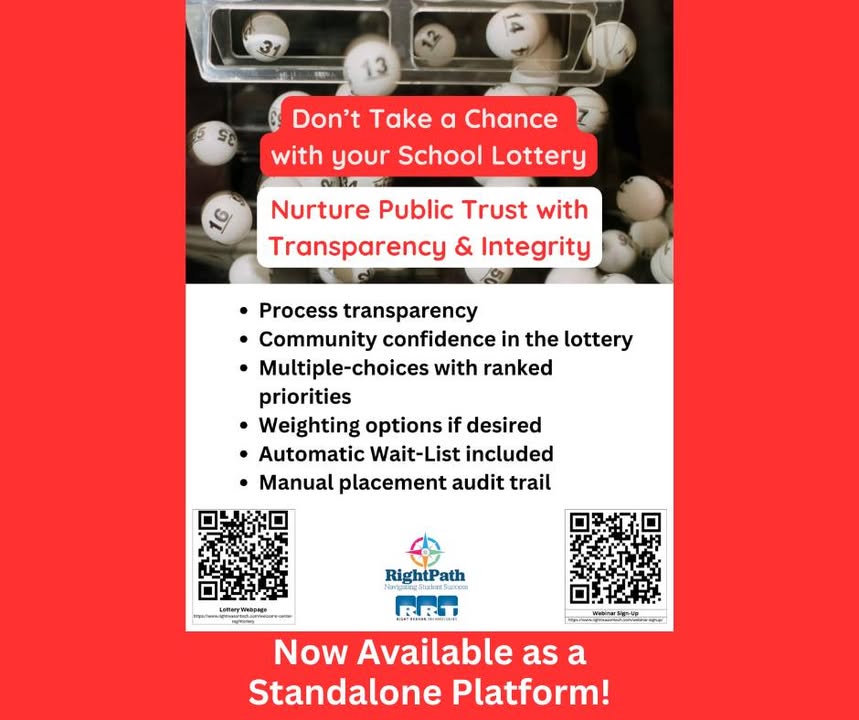
Coordination. Compliance. Fairness. Those three words cover everything that's supposed to happen when a district runs CTE pathways, UPK lotteries, or choice programs. In practice, most districts are running those programs through disconnected spreadsheets, separate coordinators, and institutional memory. The breakdown is structural. Flawed program application collection. Isolated coordinators. No shared visibility. No lottery transparency. No audit trail — and no way to defend a placement when a family asks why their child wasn't selected. In New York, that last part isn't just uncomfortable. CTE selection feeds NYSED civil-rights monitoring. UPK lotteries are legally required to be random and unadjusted
Right Reason Technologies
Why wait for the public to begin to question how applicants are chosen?
Spend a few minutes and learn how to simplify the process and avoid these issues.
Cost-effective, easy to setup and use, it can be used with and without the full Welcome Center!
Learn more: • lnkd.in/e4aZ3CYH
• Schedule a 15 minute Discovery Session: lnkd.in/eas9cSuv